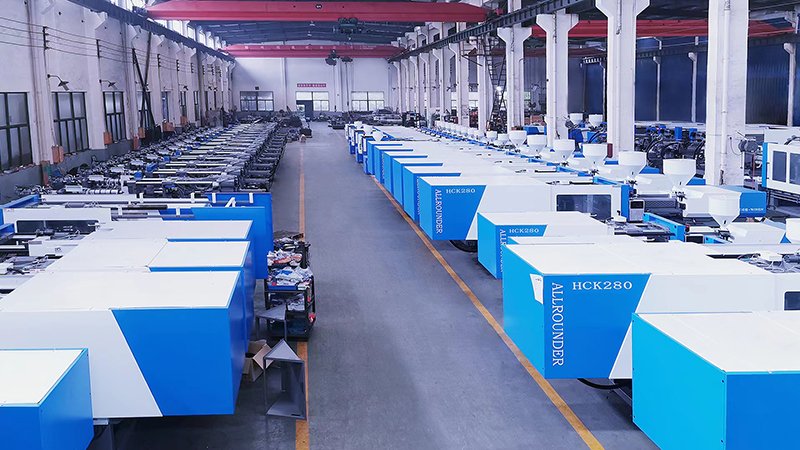
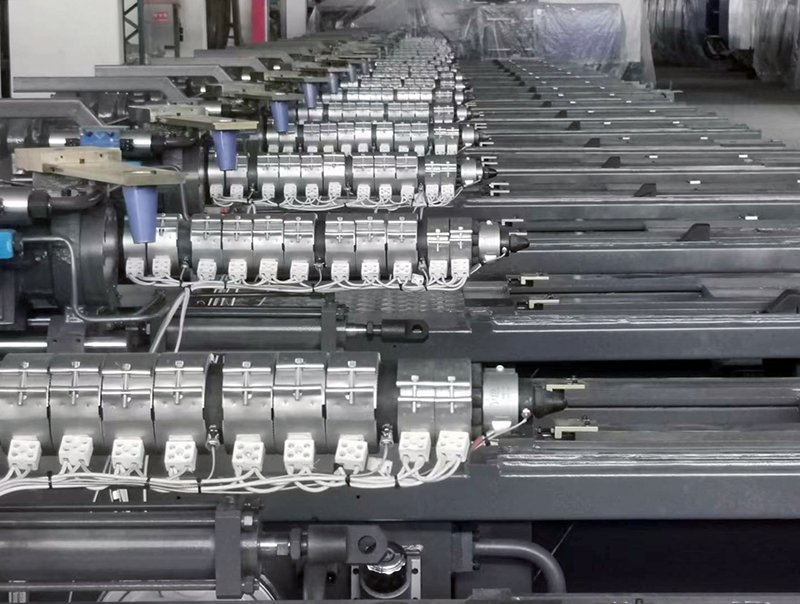
There are three types of injection molding machines accoring the hanging form:
Horizontal injection molding machine
Vertical injection molding machine
Angle injection molding machine
There are three types of injection molding machines accoring the transmission mode:
Hydraulic injection molding machine
All electric injection molding machine
Oil-electric hybrid injection molding machine
Of course, different classification methods can also classify injection molding machines into other different types.
Classification by hanging form
The classification is mainly based on the arrangement relationship between the axis of the injection screw and the track of the template movement, which is placed parallel and horizontally as horizontal.
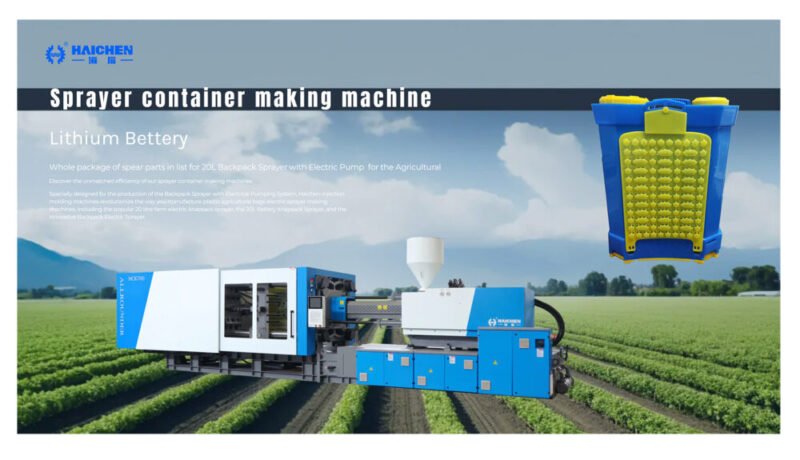
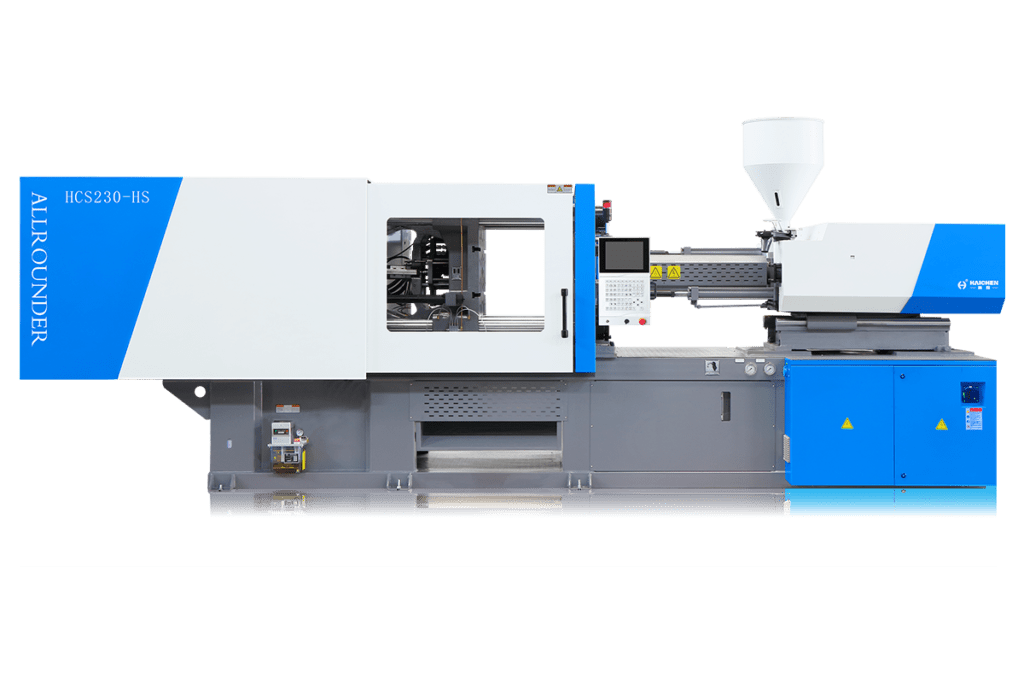
Horizontal injection molding machine
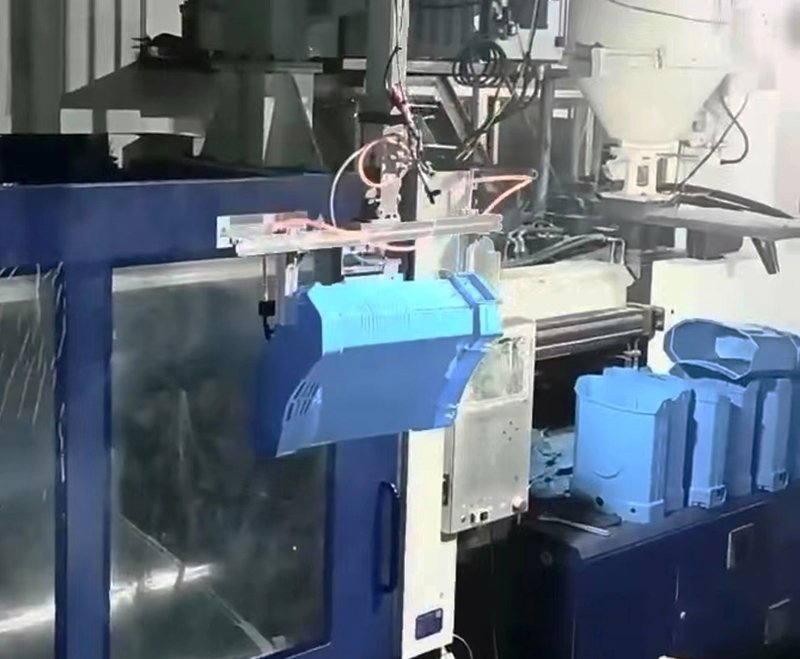
The machine has the following advantages: low body, low center of gravity, smooth operation, and is conducive to operation and maintenance. The formed products can automatically fall using their own weight, making it easy to achieve fully automatic operation, so it is widely used. Suitable for large, medium, and small machines, it is currently the most basic form adopted by injection molding machines both domestically and internationally. After years of technological development, horizontal injection molding machines have been subdivided into three major series: elbow type, direct compression type, and fully electric type. According to the level of molding accuracy of plastic products, they can be divided into two categories: ordinary type and precision type.
Vertical injection molding machine
It has the following advantages: small footprint, convenient mold disassembly and assembly, and easy placement of embedded parts for formed products. Its disadvantage is that after the product is ejected, it often needs to be taken out by hand or other methods, making it difficult to achieve automated operation, and the body has high stability and poor stability. Inconvenient feeding and maintenance. Currently, it is mainly used on small machines with injection volumes below 60g.
Angle injection molding machine
Its advantages and disadvantages lie between the horizontal and vertical models. When the product is formed, the molten material enters the mold cavity through the parting surface, making it particularly suitable for products with no gate marks left in the forming center. If a horizontal or vertical injection molding machine is used, the mold must be designed with multiple cavities or offset to one side, which is often limited by the size of the machine template.
Classified by machine transmission mode
Hydraulic injection molding machine
The hydraulic injection molding machine is driven by an oil pump system, which controls various valves electrically to achieve the required processing actions of the equipment. Traditional injection molding machine mode. According to the different motors, hydraulic injection molding machines can also be further divided into: quantitative pump injection molding machines, variable pump injection molding machines, closed-loop variable pump injection molding machines, servo energy-saving injection molding machines.
The electric injection molding machine
The electric injection molding machine is driven by multiple servo motors to achieve the required actions for processing. A servo motor is equipped with components such as ball screws, toothed belts, and gears to drive the injection molding machines of various mechanisms. Its fundamental feature is that all drive modules are electric, rather than traditional hydraulic. That is to say, there is no hydraulic system or any hydraulic components in the entire equipment
After 2007, the use of servo motors in injection molding machines became increasingly common, and electric injection molding machines gradually began to emerge.
Due to the use of multiple independent servo motor systems, the cost is still high
Oil-electric hybrid injection molding machine
The oil electric hybrid injection molding machine combines the above two methods for use. Partial hydraulic transmission is used. Part of it is driven by electric motors, screws, and gears.
Because hydraulic transmission and servo motor transmission can operate simultaneously, the production time of the machine is shortened. And the cost of the equipment is cheaper than full electricity.
Classification by machine processing capacity
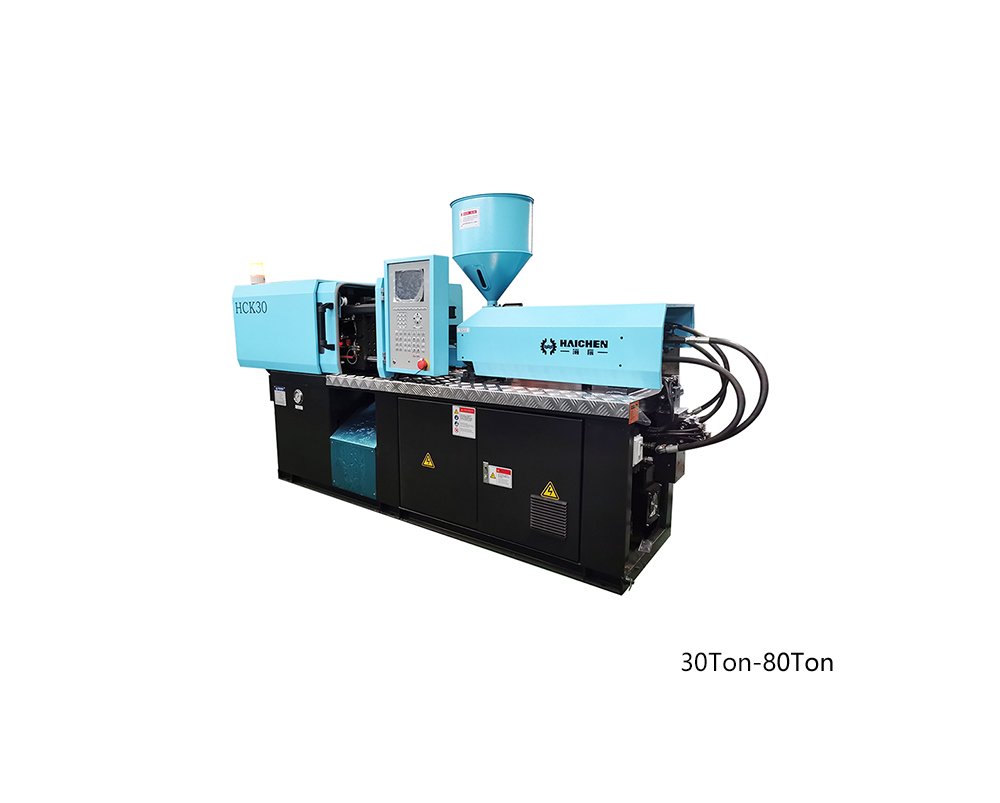
The parameters commonly used to represent the processing capacity of injection molding machines are marked in the machine model, including “clamping force” and “injection quality”. Rain is mostly represented by “clamping force”, and in the past, “clamping force” and “injection quality” were also used to represent both. For example, the Haichen brand HCS 2000 injection molding machine, where HC represents the Haichen brand, S represents the energy saving series, and 2000 represents the machine’s clamping force of 2000Ton ≈ 20000 kN
Classification by machine processing capacity:
| Item | Clamping force(KN) | Injection rate(G) |
| Mini injection molding machine | <200-400 | >30 |
| Small injection molding machine | >400-3000 | 60-500 |
| Medium injection molding machine | >300-6000 | 500-2000 |
| Large injection molding machine | >6000-20000 | 2000-10000 |
| Supersized injection molding machine | >20000 | >10000 |
Classification by machine usage
The application range of injection molding machines has been expanded to meet the requirements of various injection processes and improve machine efficiency. And design the machine as a thermoplastic universal type, thermosetting type. Foam type. Exhaust type, high-speed type, energy-saving type, precision machine, multi-color machine, pen making machine, embryo machine, binding machine, toy machine, shoe machine, packaging machine, and other types.
Due to the application of modular design, a new combination type has been derived from the ordinary type. That is, the combination of large clamping parts and small injection parts, or the combination of small clamping parts and large injection parts.