Are you looking to take your business to the next level by incorporating injection molding technology? With so many options available in the market, choosing the right injection molding machine can be a daunting task.
But fear not!
Our ultimate guide is here to help you navigate through the complexities and make an informed decision. Whether you are a seasoned manufacturer or just starting out, this comprehensive guide will provide you with all the essential information you need to know about injection molding machines.
From understanding the different types and sizes of machines to considering factors like production capacity, material compatibility, and cost-efficiency, we’ve got you covered.
We’ll also delve into the latest technological advancements in the industry and provide expert tips on selecting a machine that perfectly suits your business needs.
So, let’s dive in and unlock the secrets to choosing the right injection molding machine that will revolutionize your production process and drive your business towards success.
Understanding the different types of injection molding machines
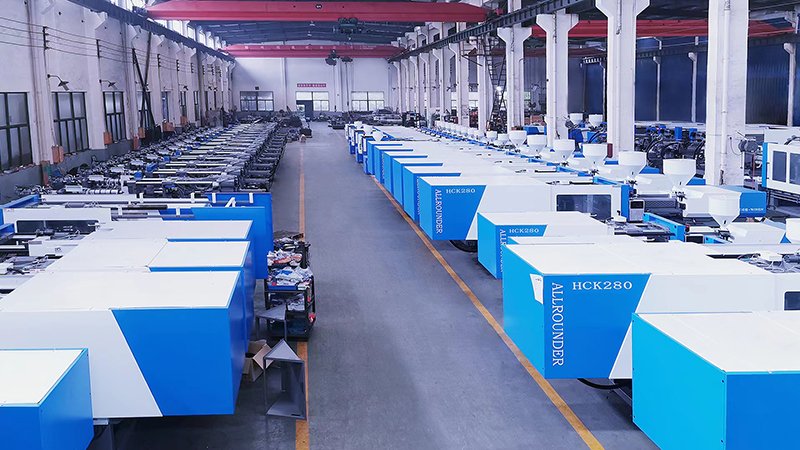
Injection molding machines come in various types, each designed to meet specific manufacturing needs. The most common types include hydraulic, electric, and hybrid machines.
Hydraulic machines are known for their high production capacity and durability. They use hydraulic systems to generate and control the necessary pressure for the injection process. These machines are suitable for large-scale production but can be less energy-efficient compared to other types.
Electric machines, on the other hand, are known for their precision and energy efficiency. They utilize electric motors to drive the injection process, resulting in higher accuracy and reduced energy consumption. These machines are ideal for small to medium-sized production runs.
Hybrid machines combine the best of both hydraulic and electric technologies. They utilize both hydraulic and electric systems to optimize performance, energy efficiency, and precision. Hybrid machines are versatile and can be used for a wide range of production needs.
When choosing the right type of machine for your business, consider factors such as production volume, energy efficiency, precision requirements, and budget constraints.
Factors to consider when choosing an injection molding machine
Selecting the right injection molding machine involves considering several crucial factors.
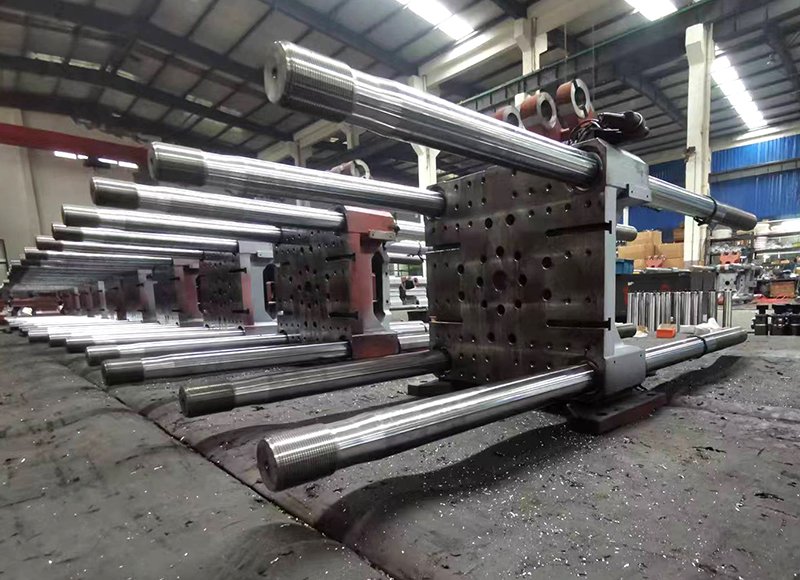
One of the most important factors is the machine’s clamping force, which determines the maximum amount of force the machine can exert to hold the mold closed during the injection process.
The clamping force should be sufficient to withstand the pressure exerted by the injected material.
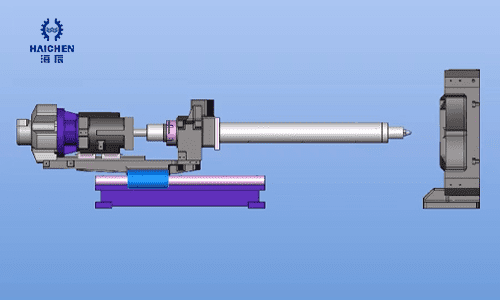
Another factor to consider is the shot size, which refers to the maximum volume of material the machine can inject into the mold.
It is essential to choose a machine with a shot size that matches your production requirements.
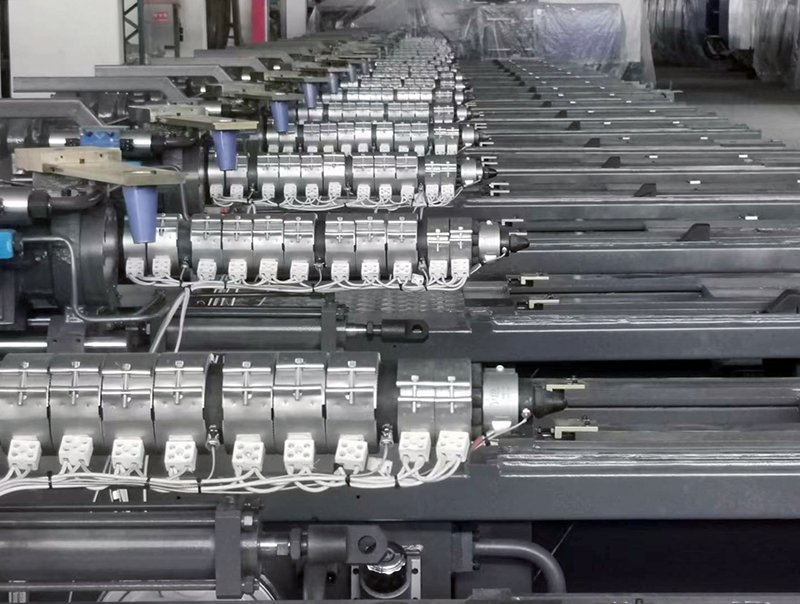
Material compatibility is also crucial. Different materials require different temperature and pressure settings during the injection process.
Ensure that the machine you choose is compatible with the materials you will be using.
Other factors to consider include the machine’s cycle time, cooling system, mold size capacity, and automation capabilities. Evaluating these factors will help you narrow down your options and choose a machine that meets your specific production needs.
Determining the right size and capacity for your business
Selecting the appropriate size and capacity of an injection molding machine is essential to ensure efficient production and avoid unnecessary costs.
The size of the machine is determined by the mold size and the projected production volume.
It is crucial to analyze your current and future production requirements to determine the right size of the machine. Consider factors such as the complexity of the parts, the number of cavities in the mold, and the desired production rate.
Additionally, consider the machine’s capacity to handle different materials and their respective processing requirements.
Some materials may require higher temperatures or longer cooling times, which can affect the machine’s production capacity.
By carefully assessing your production needs and material requirements, you can select a machine with the appropriate size and capacity that maximizes productivity and minimizes downtime.
Evaluating the machine’s performance and reliability
When investing in an injection molding machine, it is crucial to evaluate its performance and reliability. Look for machines with a proven track record of delivering consistent results and minimal downtime.
Consider the machine’s speed and precision. Higher injection speeds can result in faster production cycles, while greater precision ensures accurate and consistent part quality.
Reliability is another crucial factor to consider.
Look for machines that are built with high-quality components and have a reputation for durability.
A reliable machine will minimize maintenance requirements and downtime, ensuring uninterrupted production.
To assess the performance and reliability of a machine, read customer reviews, and consult industry experts. Their insights and experiences can provide valuable information to help you make an informed decision.
Considering the cost and return on investment
Cost is a significant consideration when choosing an injection molding machine. It is essential to strike a balance between upfront investment and long-term return on investment (ROI).
Consider the initial purchase price, installation costs, and any additional expenses such as training and maintenance.
However, it is equally important to evaluate the machine’s potential for cost savings through increased productivity, energy efficiency, and reduced material waste.
Calculate the ROI by estimating the machine’s expected lifespan, production volume, and potential cost savings. A machine with a higher upfront cost may offer greater long-term savings, making it a more cost-effective choice in the long run.
Assessing the machine’s technological features and capabilities
Advancements in injection molding technology have introduced various features and capabilities that can enhance productivity and efficiency.
When selecting a machine, consider the following technological features:
1. Control systems: Look for machines with intuitive control systems that offer user-friendly interfaces and advanced monitoring and diagnostics capabilities. These features can help optimize production and troubleshoot any issues quickly.
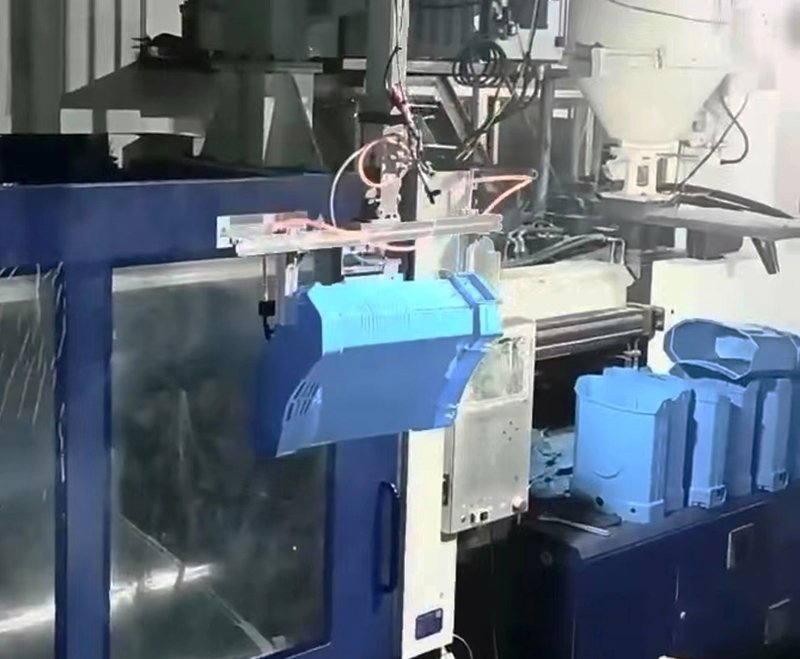
2. Automation: Automation can significantly improve production efficiency and reduce labor costs. Consider machines that offer automation options such as robotic part removal, mold changing systems, and real-time production monitoring.
3. Energy efficiency: Energy costs can significantly impact your production expenses. Look for machines with energy-saving features such as servo motors, variable-speed pumps, and efficient heating and cooling systems.
4. Connectivity and data analysis: Industry 4.0 technologies allow for connectivity and data analysis, enabling real-time monitoring, predictive maintenance, and performance optimization. Consider machines that offer these capabilities to stay ahead in the competitive manufacturing landscape.
By leveraging the latest technological features and capabilities, you can optimize your production process and gain a competitive edge in the market.
Exploring additional features and customization options
In addition to technological features, injection molding machines may offer various additional features and customization options.
These features can further enhance the machine’s performance and cater to specific production requirements.
Some common additional features include multi-component molding capabilities, hot runner systems for faster cycle times, and gas-assisted injection molding for lightweight and hollow parts.
Customization options may include mold-specific configurations, material-specific processing settings, and integration with other production equipment.
When exploring these additional features and customization options, consider their relevance to your specific production needs and the potential impact they can have on your business.
Choosing a reputable manufacturer or supplier
Selecting a reputable manufacturer or supplier is crucial when investing in an injection molding machine. Look for manufacturers with a proven track record, industry certifications, and a reputation for delivering high-quality machines.
Research the manufacturer’s history, customer reviews, and case studies to gauge their expertise and reliability. Consider their after-sales support, warranty policies, and availability of spare parts.
Additionally, consult with industry experts, attend trade shows, and seek recommendations from colleagues to gather insights and make an informed decision.
Maintenance and support for your injection molding machine
Regular maintenance and support are vital to ensure the longevity and optimal performance of your injection molding machine. Look for manufacturers or suppliers that offer comprehensive maintenance plans, training programs, and timely technical support.
Proper maintenance includes routine inspections, lubrication, and calibration to prevent breakdowns and ensure consistent part quality. Regular training programs will equip your operators with the necessary skills to operate and maintain the machine effectively.
Timely technical support is crucial in case of any issues or breakdowns. Ensure that the manufacturer or supplier has a dedicated support team that can provide prompt assistance when needed.
By prioritizing maintenance and support, you can extend the lifespan of your machine and minimize production disruptions.
Conclusion: Making the right decision for your business
Choosing the right injection molding machine for your business is a critical decision that can significantly impact your production process and overall success.
By understanding the different types of machines, considering crucial factors, and assessing technological features, you can make an informed decision that aligns with your specific needs.
Remember to evaluate the machine’s performance, reliability, cost, and return on investment. Additionally, explore additional features and customization options that can enhance productivity and cater to your unique requirements.
Selecting a reputable manufacturer or supplier and prioritizing maintenance and support will ensure a smooth implementation and maximize the lifespan of your machine. With our ultimate guide at your disposal, you now have the knowledge and insights to choose the right injection molding machine that will revolutionize your production process and drive your business towards success.
Don’t let the complexities of the market overwhelm you. Take the leap and embrace the power of injection molding technology.